Same architecture.
Different ground.
The threat does not change much between a ministry, a substation and a stadium. What changes is who holds authority, what infrastructure exists and how long you have to set up. The architecture scales from a single autonomous node to a networked command environment across fixed sites, mobile units and partner organisations.
Defence & force protection
- Mobile command and multi-domain fusion at the forward edge
- Convoy and route overwatch with passive acoustic warning
- Dismounted counter-UAS effect carried by the team
- Coordination of distributed units through C4TAK
Protective services
- Principals in transit and at residence
- Spatial RF protection bubble over a moving detail
- Ministries, embassies and government buildings
- Reconnaissance drones located together with their pilot
Critical infrastructure
- Fixed-site or containerised persistent command post
- Continuous perimeter and blind-spot surveillance
- Passive acoustic, RF and EO/IR sensing in one picture
- Role-based alert dissemination to site security
Border & remote areas
- Wide-area radar and RF cueing out to 48 km
- Patrol routes and live unit positions
- Passive acoustic and RF sensing across a wide sector
- Mobile C2 that moves with the sector
Crisis response & SAR
- Live positions across military, police, medical and volunteer teams
- Search areas, hazards and task status on one map
- Deployable PTZ observation at remote sectors
- Role-controlled participation by civilian partners
Public events
- Temporary acoustic and PTZ coverage without fixed infrastructure
- Shared picture for security, stewarding and medical teams
- Gunshot detection to 1200 m across a crowd
- Rapid emplacement and recovery inside an event window
Layered protection for high-value sites.
High-value targets — government buildings, critical infrastructure, whole metropolitan areas — need different layers at different ranges. We supply hardware, software, services and training for all of them.
Detection, on site or mobile
- Ad-hoc networked passive RF detection
- Undetectable radar, safe for populated areas
- Multisensory visual confirmation and tracking
- Passive acoustic nodes with no emissions
- Centralised command and control unit
Effect, under authority
- Automatic engagement in coordination with C2
- Counter-UAS effectors for field operators
- Integration of all detection, identification and elimination layers
- Airborne identification and pursuit of a cued track
- Operator training and continued support
What goes on the ground.
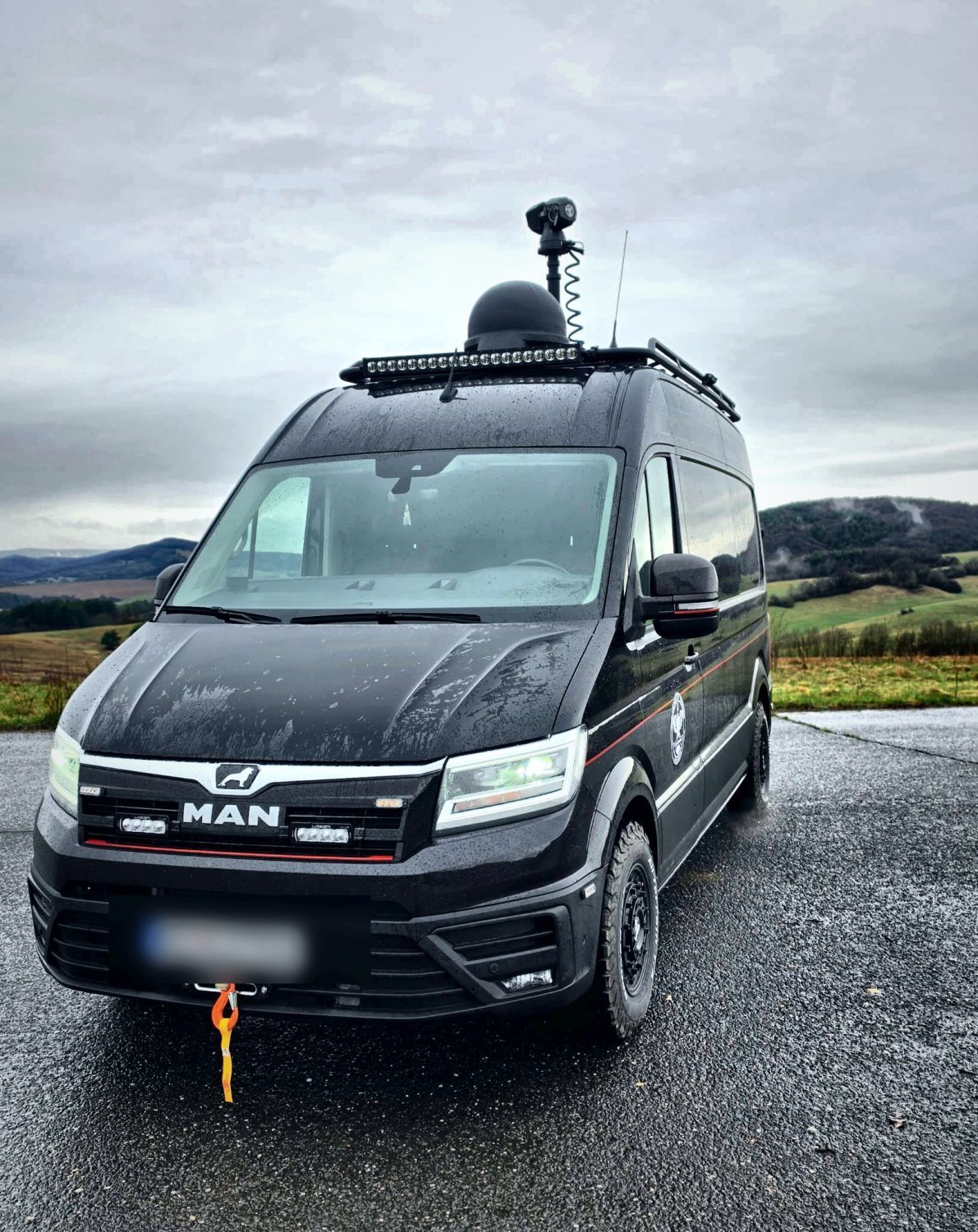
C2 Defender
Mobile command post and multi-domain fusion node. Radar, RF, electro-optics, acoustics and UAV feeds converge into one picture.
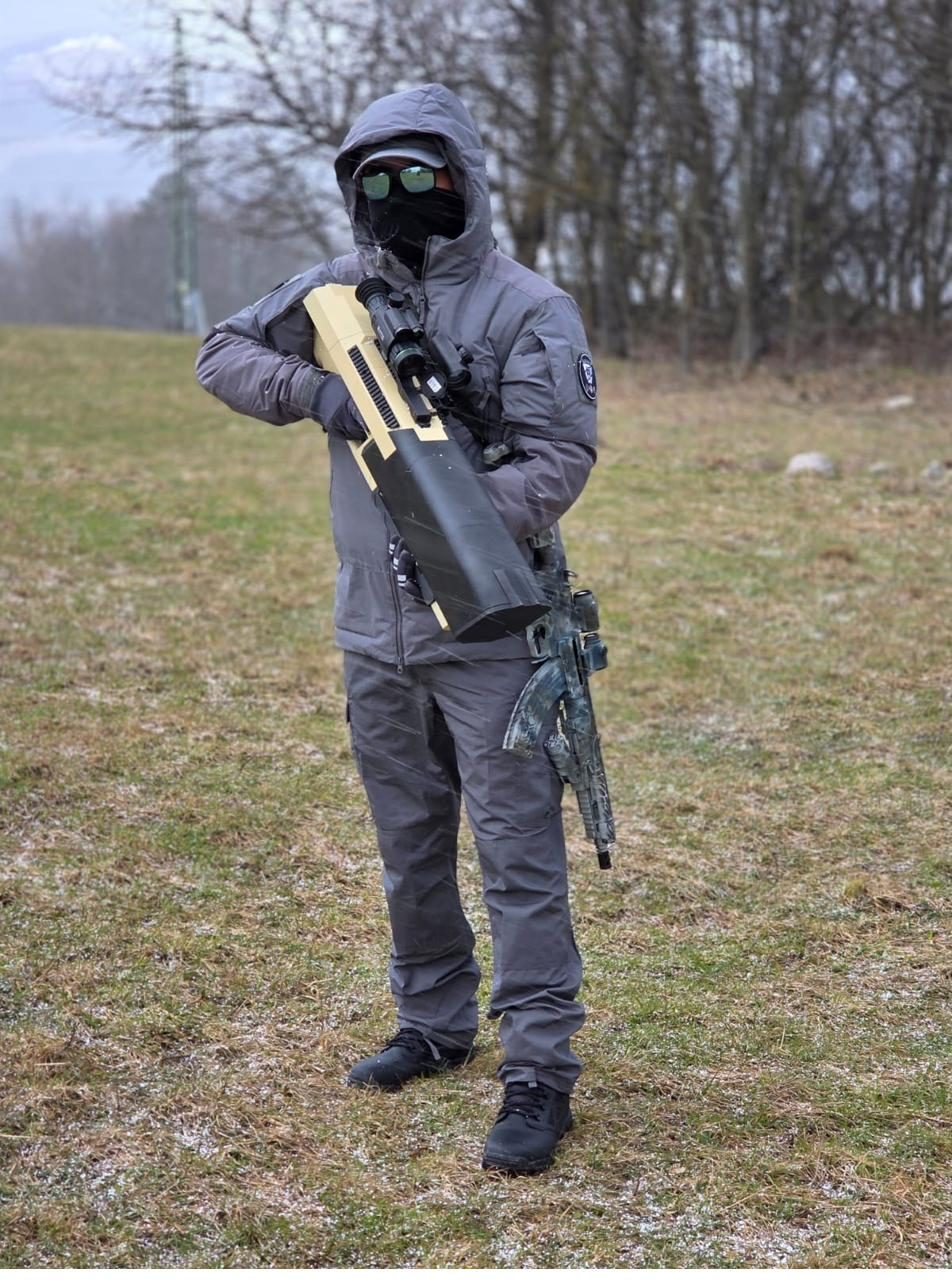
ADP
Handheld counter-UAS jammer, 400–6000 MHz, extendable to 12 GHz. Directional and spatial effect from one system.
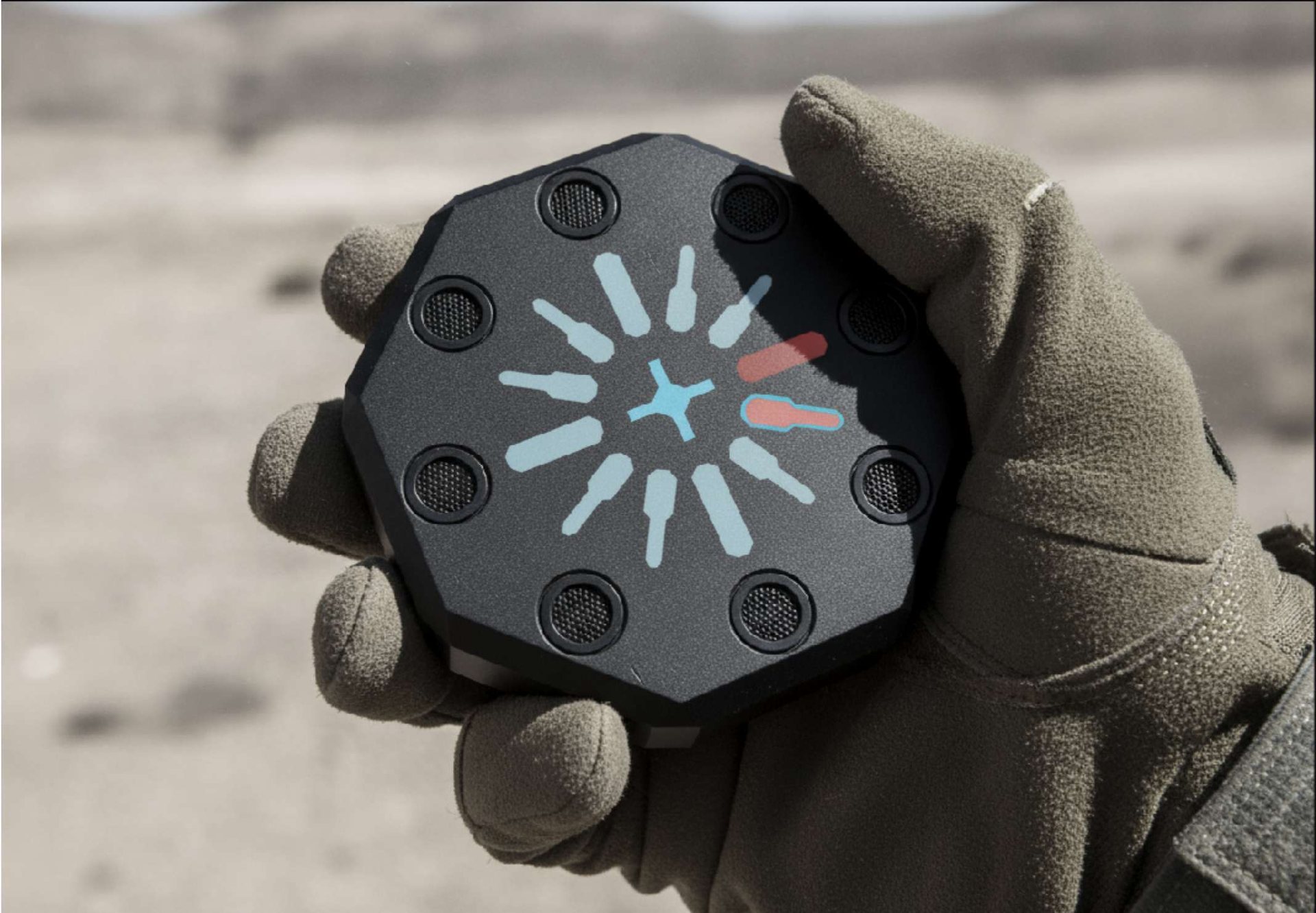
AcuSync
Hears UAS and small-arms fire on eight microphones, names the threat and points at it — without transmitting a detection signal of its own.
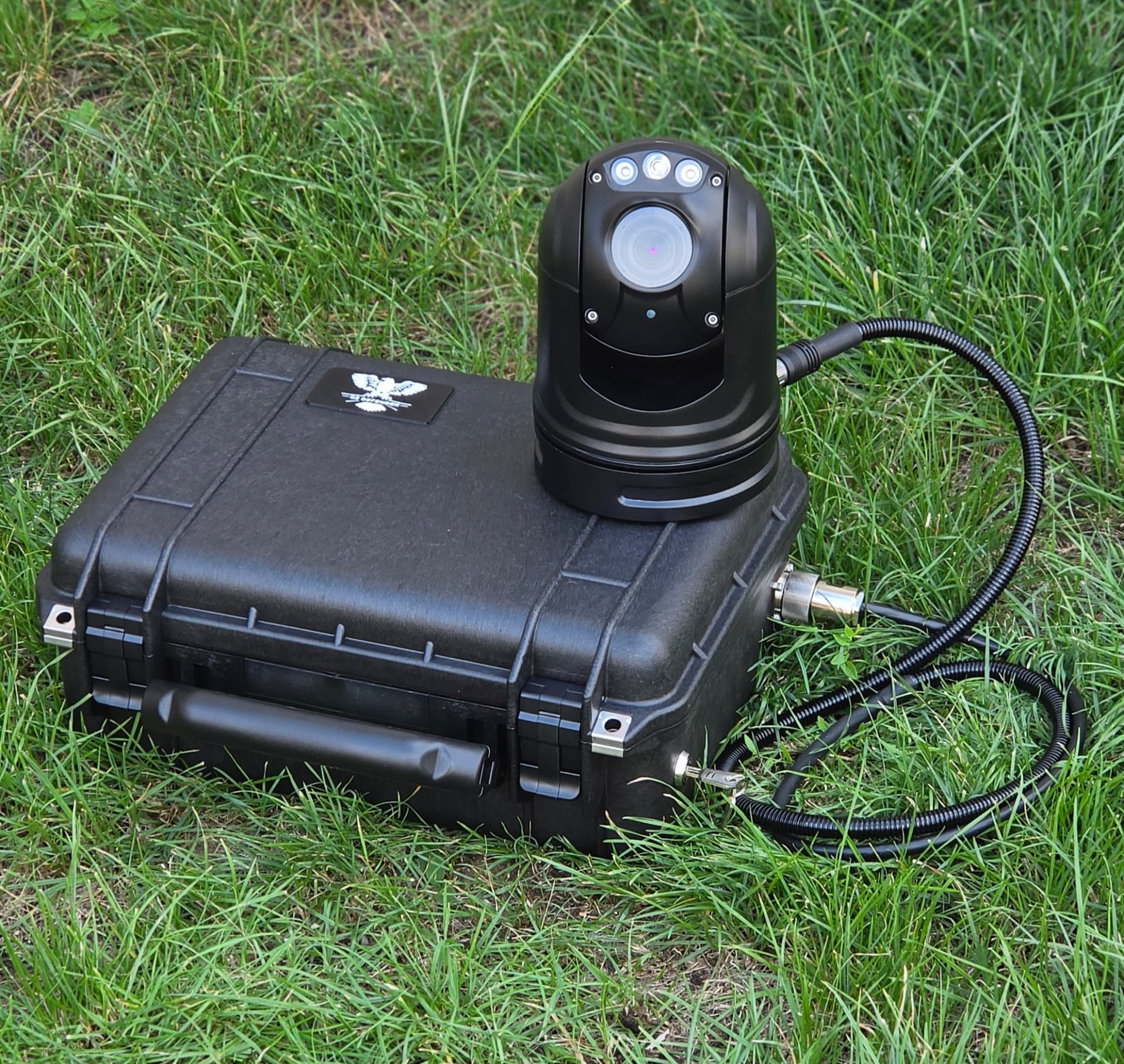
C2 Minions
Four rugged pan-tilt-zoom cameras in transport cases. Live feed straight to C2 Defender, no operator at the position.
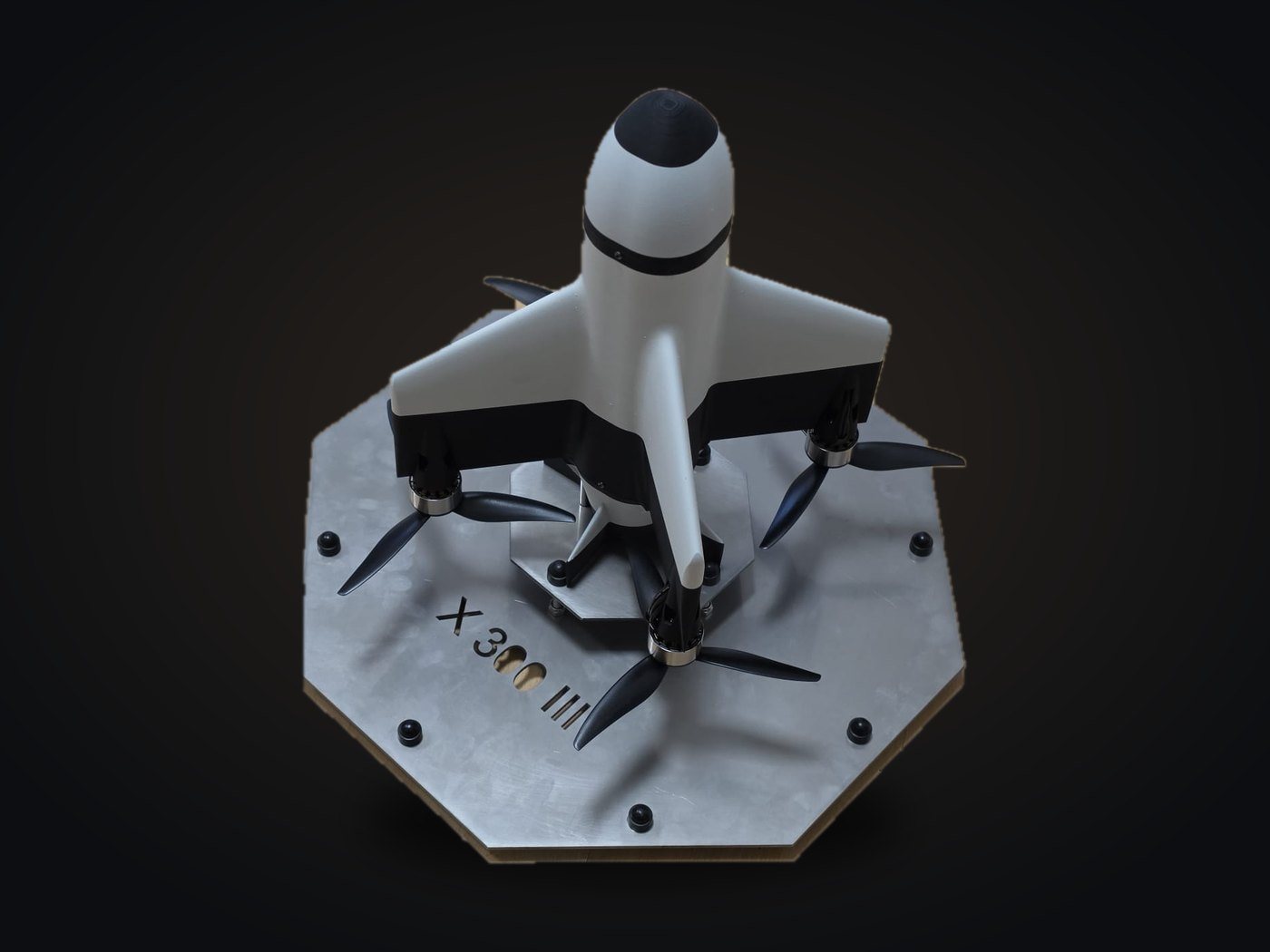
I2 Defender
Compact unmanned aircraft launched on a sensor cue. Closes the distance, identifies what it finds and stays with it using Lock2Trace.
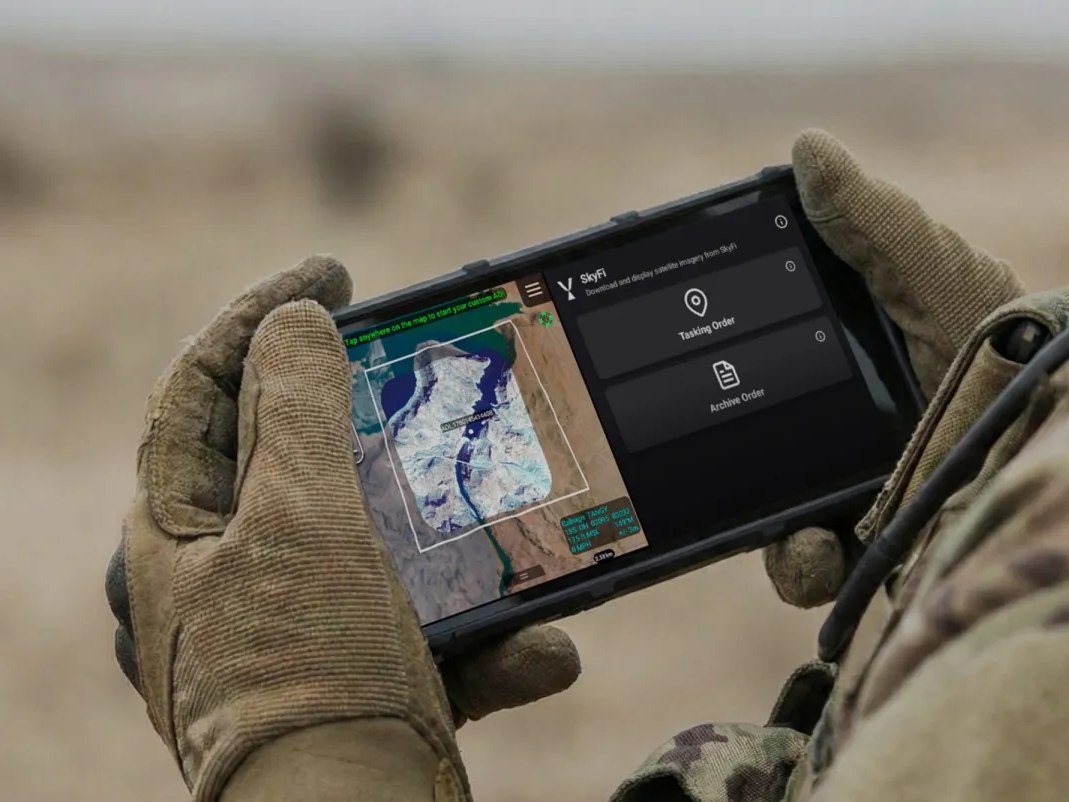
C4TAK
Puts the fusion picture on the team's devices. Positions, tasks, hazards and sensor alerts, disseminated by role.
Tell us what you have to protect.
Give us the area of operations, the threat picture, the units taking part and the authority you hold. We will come back with a system architecture and a realistic timeline — not a catalogue.