
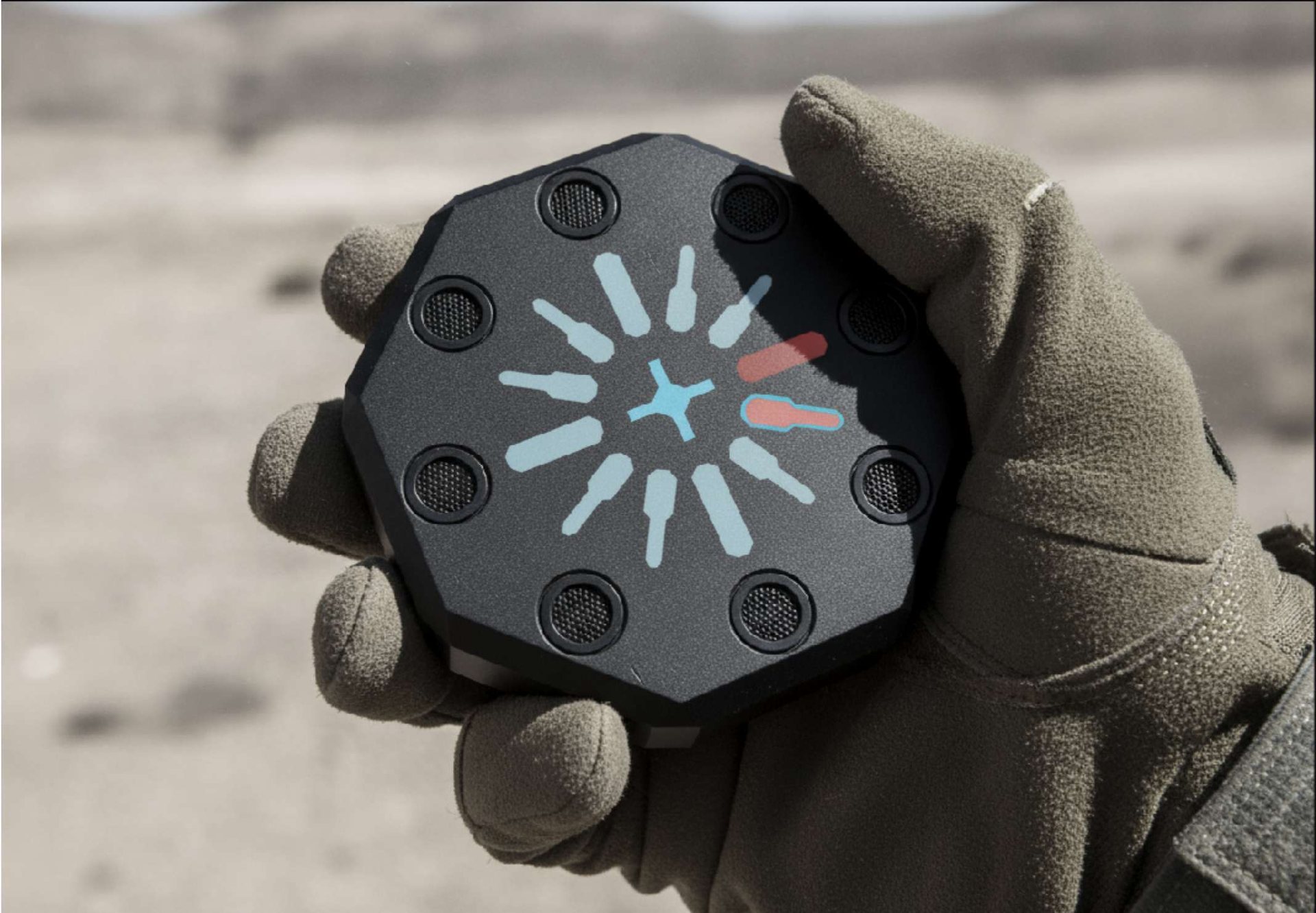
AcuSync / Eight-microphone passive node / 250 g, worn or fixed
AcuSync
UAS & gunshot sensor
A drone is heard long before it is seen. AcuSync listens on eight microphones, names the threat and points at it — without transmitting a detection signal of its own. It is the only detection method that works against drones flown on a fibre-optic tether, where radar and RF scanners are blind.
12 bearing sectors
by event type
UAS 150–400 m
vibration · LED · tone
Nothing to detect. Nothing to jam.
Radars announce themselves and can be spoofed or jammed. RF sensors only catch what is actively broadcasting — which leaves them blind to a drone flown down a fibre-optic tether, an increasingly ordinary tactic.
AcuSync is entirely passive. It hears drones coming from any direction and reports their bearing into the C2 Defender picture or over the ADP ad-hoc mesh. At a fixed site it holds watch on the position continuously.
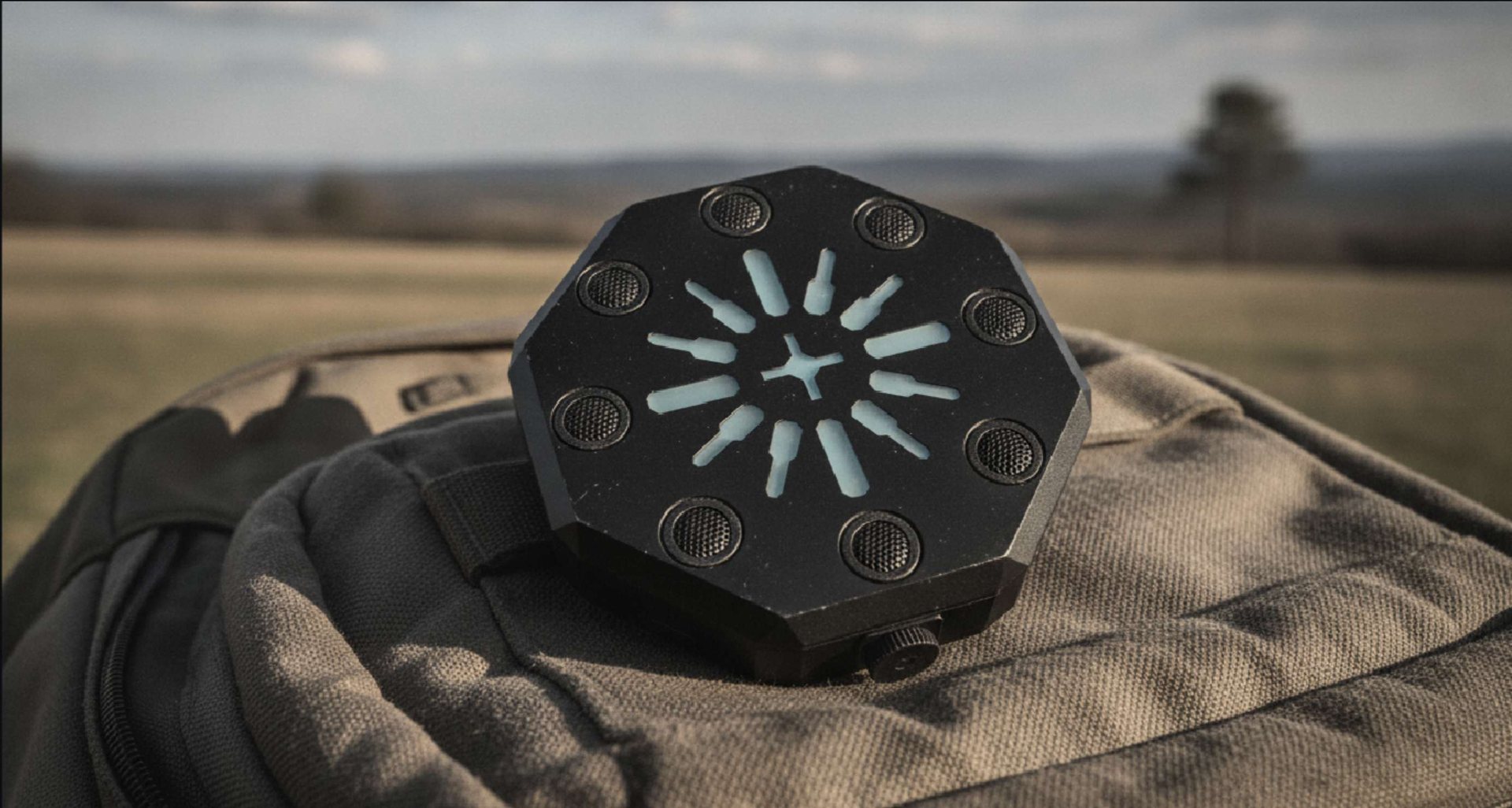
Small enough to forget you are wearing it.
The dismounted node is 120 × 120 × 28 mm and weighs 250 g on a plate carrier or pack. The fixed-site version is a 160 mm disc at 950 g. Both run 8 to 20 hours on battery, or from USB-C and PoE where power exists.
Classification happens on the device: rotor noise is separated from small-arms fire and the threat type is named before anything is transmitted. The operator gets a vibration, an LED ring and a tone in under a second.
- Separates drone rotor noise from small-arms fire and classifies on the device
- Reports bearing and signal strength into the C2 Defender fusion picture
- Joins the ADP ad-hoc mesh so a dismounted team shares one acoustic warning
- Several nodes triangulate a firing point or drone track to 10–20 m accuracy
- Entirely passive — nothing for an adversary to detect or jam
- Integrates with camera, siren and access-control systems at fixed sites
AcuSync specification
| Microphone array | 8 / 12 × MEMS · TDM bus |
|---|---|
| Bearing sectors | 12 · full 360° |
| Bearing accuracy | ±2° – ±5° |
| UAS detection range | 150 – 400 m |
| Gunshot detection range | 300 – 1200 m |
| Classification | on-device AI |
| Network | up to 32 nodes · LoRa |
| Networked position accuracy | 10 – 20 m |
| Alerting | vibration · LED ring · tone |
| Dismounted configuration | 120 × 120 × 28 mm · 250 g |
| Fixed-site configuration | Ø 160 × 60 mm · 950 g |
| Power | USB-C · PoE · 3 V DC |
| Endurance on battery | 8 – 20 h by configuration |
| Operating temperature | −20 / +55 °C |
| Ingress protection | IP67 fixed · IP54 worn |
Capabilities
- Names the threat type on the device before transmitting anything
- Reports bearing and signal strength into the C2 Defender picture
- Joins the ADP ad-hoc mesh for shared dismounted warning
- Triangulates a firing point or drone track across several nodes
- Detects drones on fibre-optic tether, invisible to radar and RF
- Runs from PoE or USB-C where power exists, on battery where it does not
Deployment
- Dismounted teams, worn on plate carrier or pack
- Forward positions and convoy overwatch under C2 Defender
- Military installations and strategic infrastructure
- Government buildings, ministries and embassies
- Public squares, festivals and stadium perimeters
- Police and protective-service units
REB Defence systems may be subject to Slovak and European Union export-control law, including Regulation (EU) 2021/821 on dual-use items. Radio-frequency effect systems are supplied to authorised government, defence and law-enforcement end users only, and their employment remains subject to national spectrum authority, rules of engagement and applicable law.
Where it plugs in.
- Bearing reports fused with radar, RF and EO/IR inside C2 Defender
- LoRa mesh of up to 32 nodes
- Shared warning across ADP systems carried by the same team
- Trigger interface for cameras, sirens and access control at fixed sites
AcuSync in the field.
Layers that reinforce each other.
AcuSync is complete on its own. Alongside the others it is stronger — each system covers a blind spot the rest cannot reach, and every one of them acts on what the others detect.
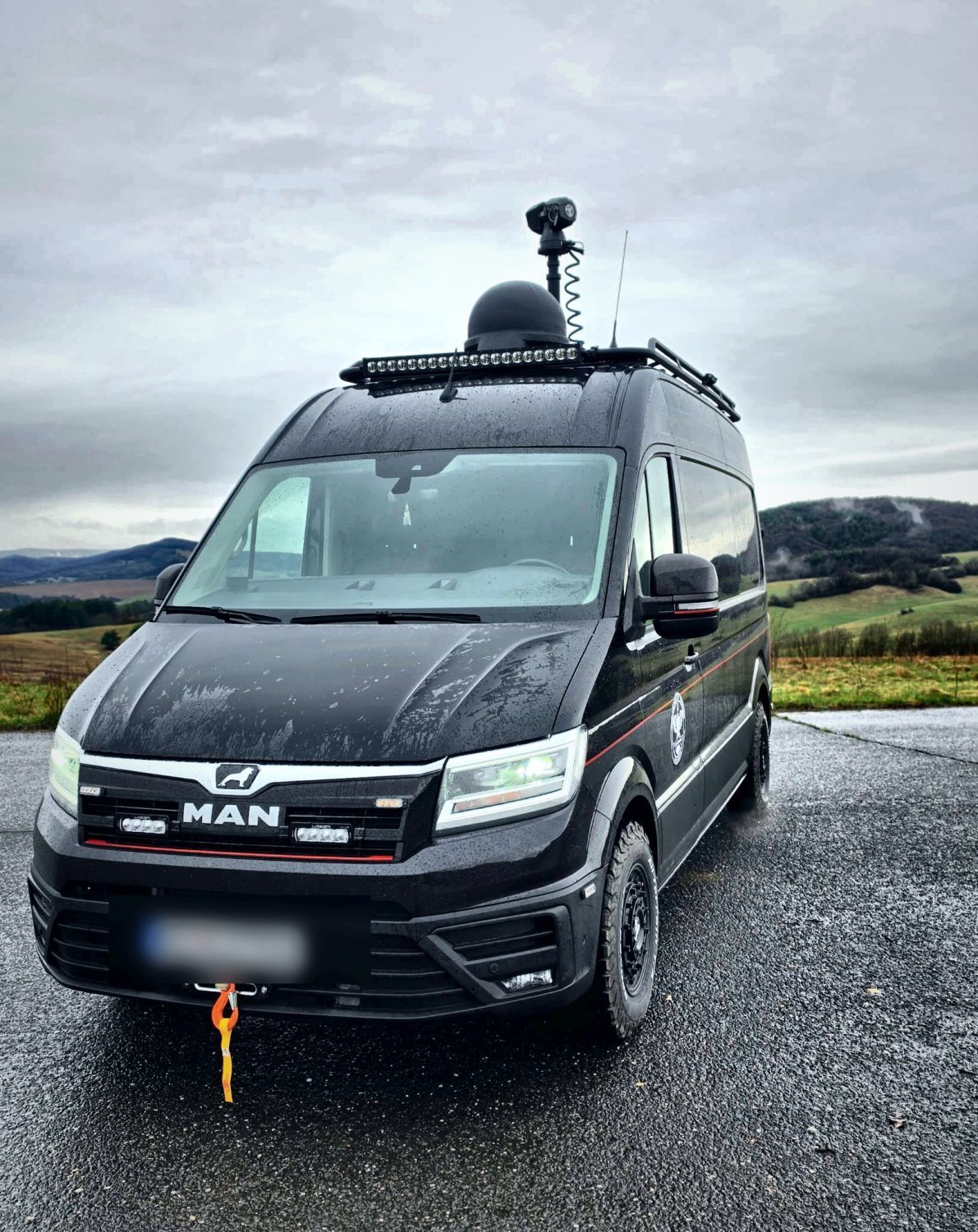
C2 Defender
Mobile command post and multi-domain fusion node. Radar, RF, electro-optics, acoustics and UAV feeds converge into one picture.
ADP
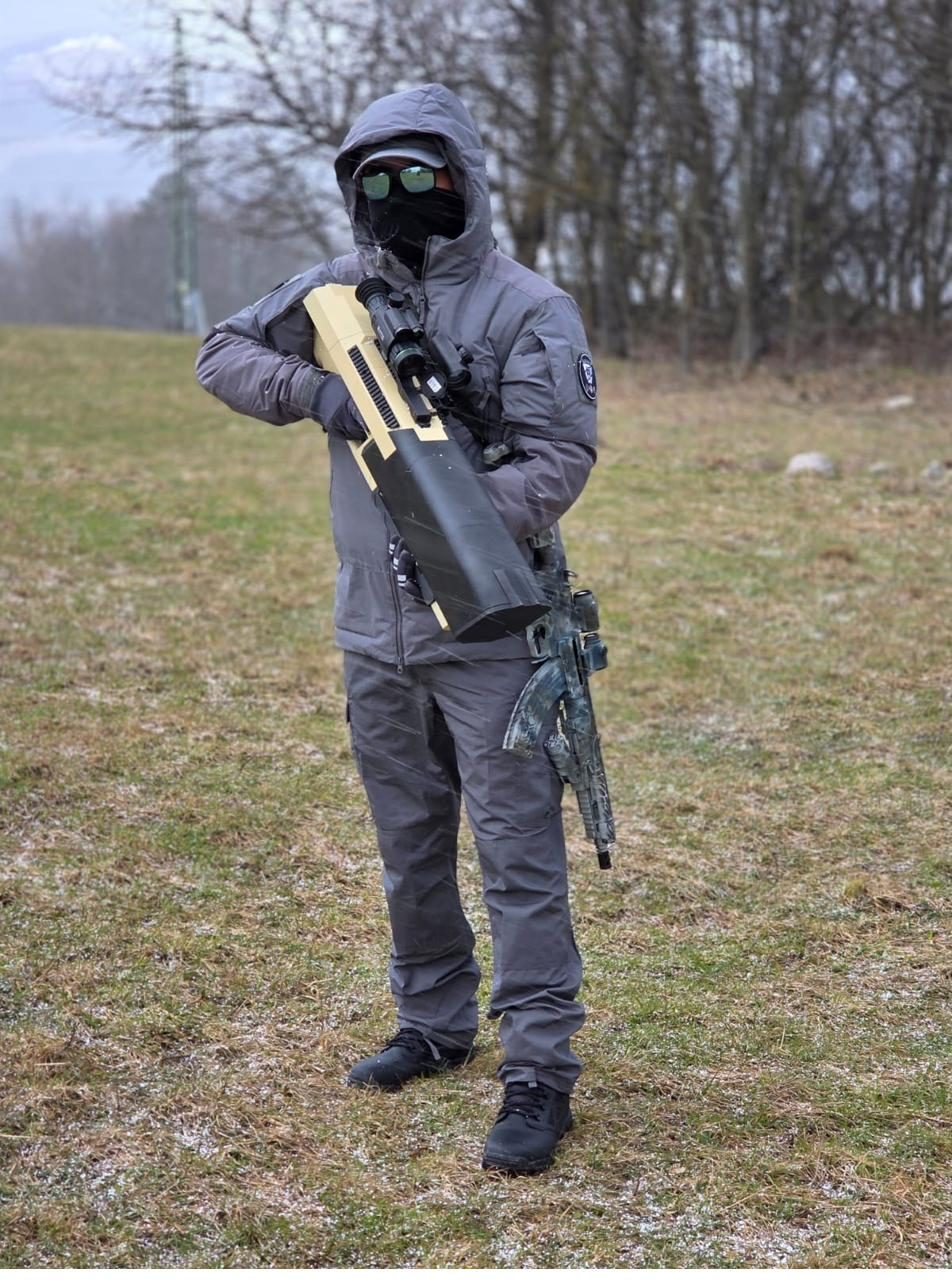
Handheld counter-UAS jammer, 400–6000 MHz, extendable to 12 GHz. Directional and spatial effect from one system.
C2 Minions
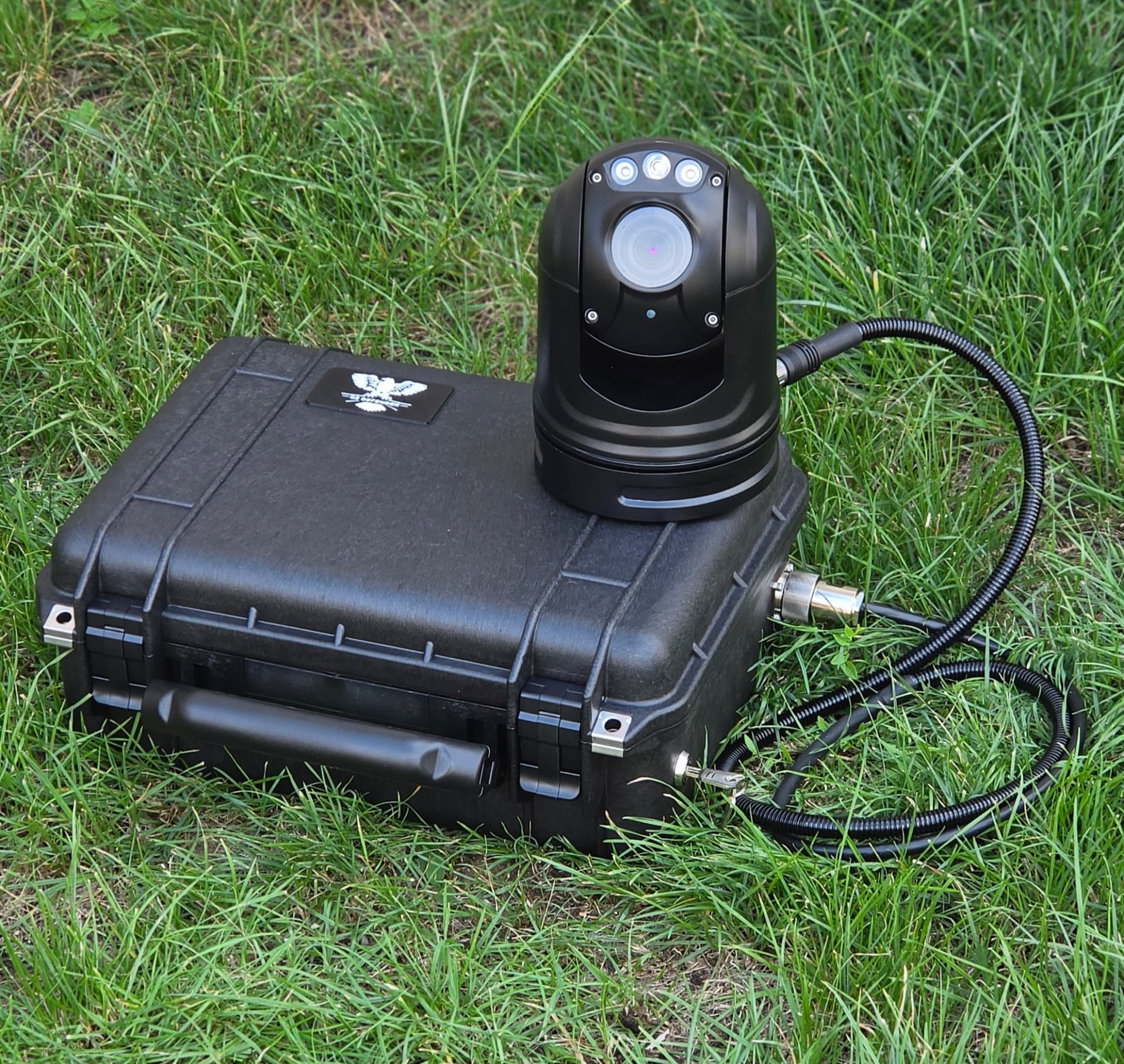
Four rugged pan-tilt-zoom cameras in transport cases. Live feed straight to C2 Defender, no operator at the position.
Tell us what you have to protect.
Give us the area of operations, the threat picture, the units taking part and the authority you hold. We will come back with a system architecture and a realistic timeline — not a catalogue.