
I2 Defender / Compact unmanned aircraft / Concept
I2 Defender
Identification, pursuit & patrol aircraft
A sensor track tells you something is out there. It does not tell you what it is, who is flying it, or where it is going. I2 Defender is the airborne answer to that gap — a compact unmanned aircraft that launches on a cue, closes the distance, identifies what it finds and stays with it.
at the object
through occlusion
on a schedule
not yet fielded
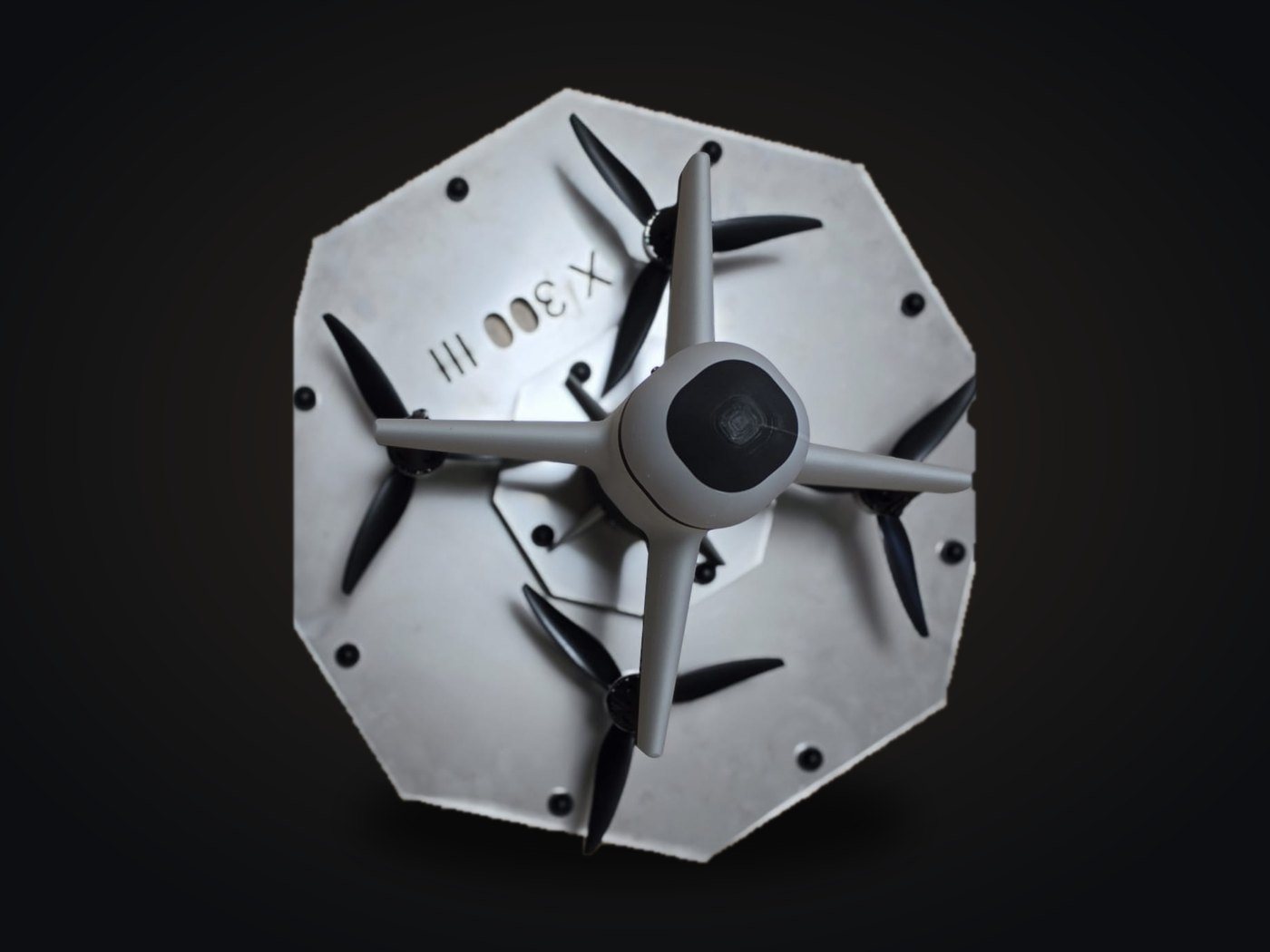
Keep the track when the eye loses it.
The hard part is not flying. It is not losing the object when it crosses a treeline, drops against a cluttered background or is briefly hidden. Lock2Trace combines object recognition, trajectory prediction and memory-assisted tracking so the track survives the gap.
The same software serves patrol, close inspection and persistent observation. Responding to a sensor cue, the aircraft investigates and returns live imagery and position data — identification and mission control stay with the authorised operator throughout.
- Object recognition against complex backgrounds
- Trajectory prediction through occlusion
- Memory-assisted tracking for track continuity
- Live imagery and position data to the command element
- Patrol, close inspection and persistent observation tasks
- Identification and mission control remain with the operator
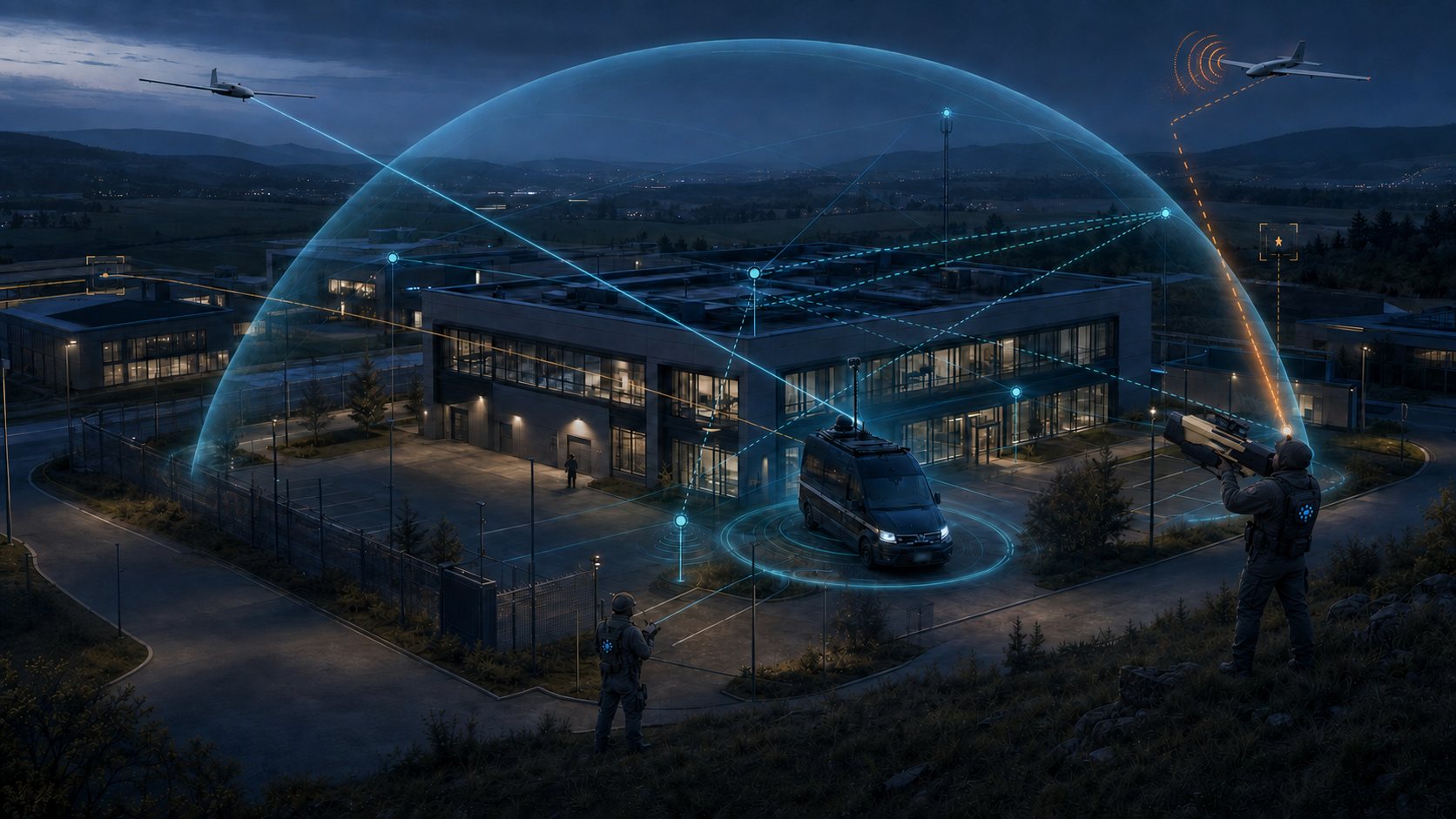
Dispatched to a located object.
Radar, RF and acoustic detection build the track; C2 Defender classifies it and decides it needs a closer look. Only then does I2 Defender launch, onto an object that is already located — which is why a small aircraft with a short endurance is useful at all.
Each layer sharpens the one after it. The aircraft finds what it is sent to find because the ground sensors are good, and the ground sensors are worth more because something can be sent to confirm what they saw.
I2 Defender specification
I2 Defender is at concept stage. Performance figures are released to qualified end users under a non-disclosure agreement rather than published here, and the configuration is not final.
| Role | identification · pursuit · patrol |
|---|---|
| Class | compact unmanned aircraft |
| Tracking software | Lock2Trace |
| Cueing | C2 Defender fusion picture |
| Payload | electro-optical, live downlink |
| Control | authorised operator |
| Status | concept — in design |
| Performance data | released under NDA |
Capabilities
- Closes the distance to a sensor cue and returns live imagery
- Recognition, trajectory prediction and memory-assisted tracking
- Holds contact with a moving object across complex ground
- Close inspection of an object the ground sensors cannot resolve
- Patrol of set routes and sectors
- Position and imagery returned into the common operational picture
Deployment
- Fixed sites with a persistent C2 installation
- C2 Defender vehicle overwatch
- Wide perimeters where ground sensors cannot see the whole sector
- Identification of objects beyond the range of a mast-mounted camera
REB Defence systems may be subject to Slovak and European Union export-control law, including Regulation (EU) 2021/821 on dual-use items. Radio-frequency effect systems are supplied to authorised government, defence and law-enforcement end users only, and their employment remains subject to national spectrum authority, rules of engagement and applicable law.
Where it plugs in.
- Launch cued by the C2 Defender fusion picture
- Position hand-off from a dismounted operator in the field
- Imagery and track data returned into the common operational picture
I2 Defender in the field.
Layers that reinforce each other.
I2 Defender is complete on its own. Alongside the others it is stronger — each system covers a blind spot the rest cannot reach, and every one of them acts on what the others detect.
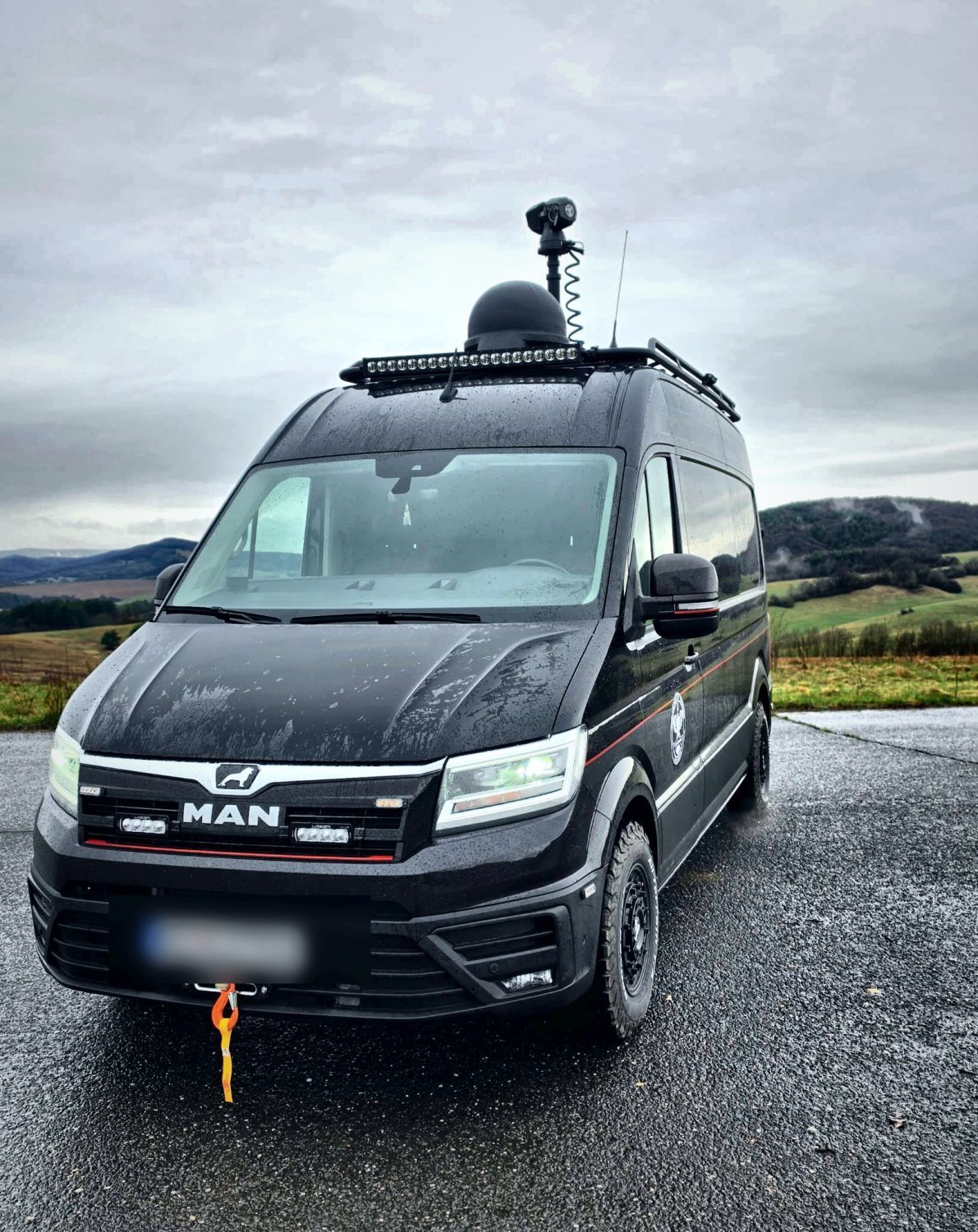
C2 Defender
Mobile command post and multi-domain fusion node. Radar, RF, electro-optics, acoustics and UAV feeds converge into one picture.
ADP
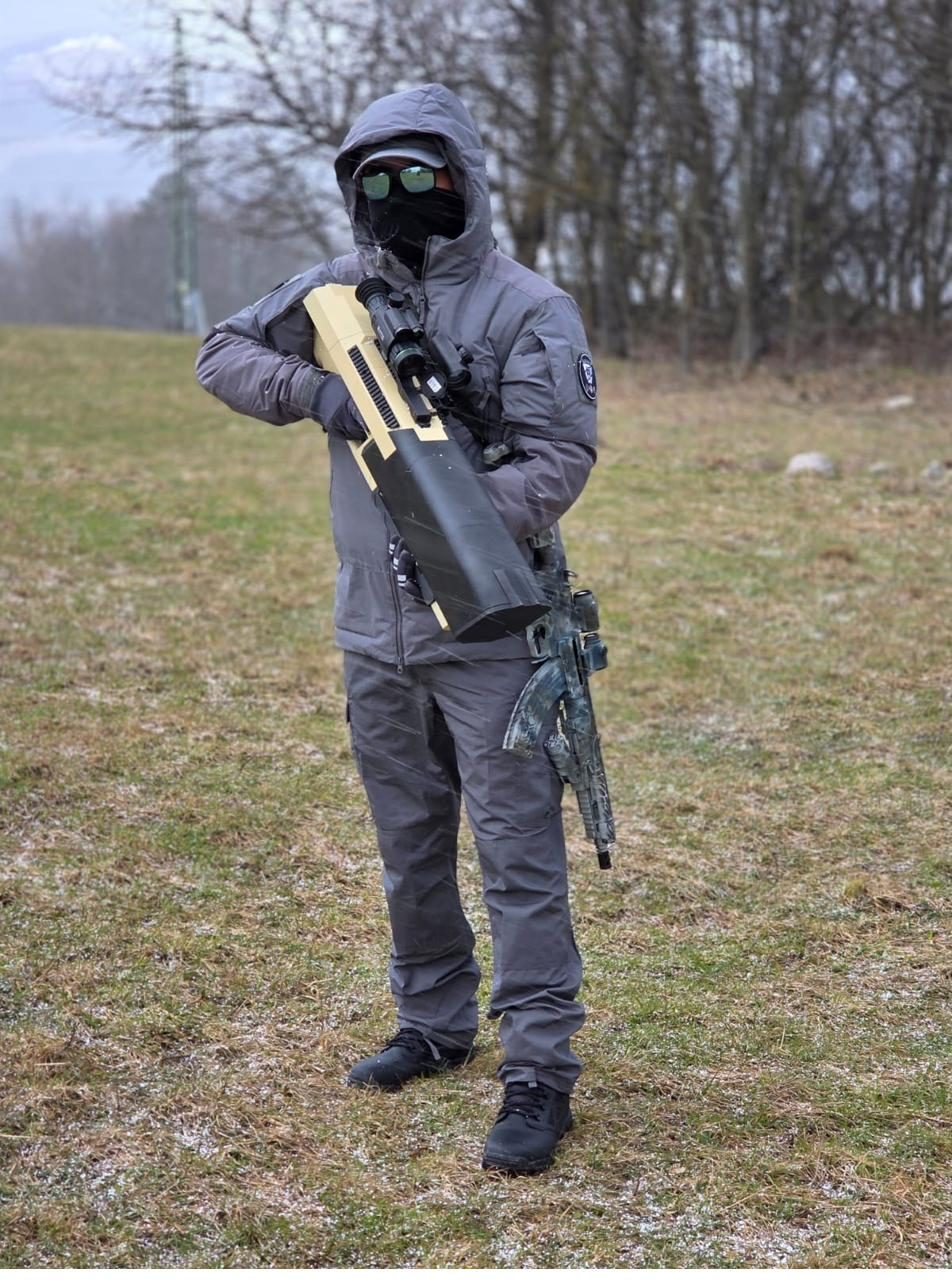
Handheld counter-UAS jammer, 400–6000 MHz, extendable to 12 GHz. Directional and spatial effect from one system.
AcuSync
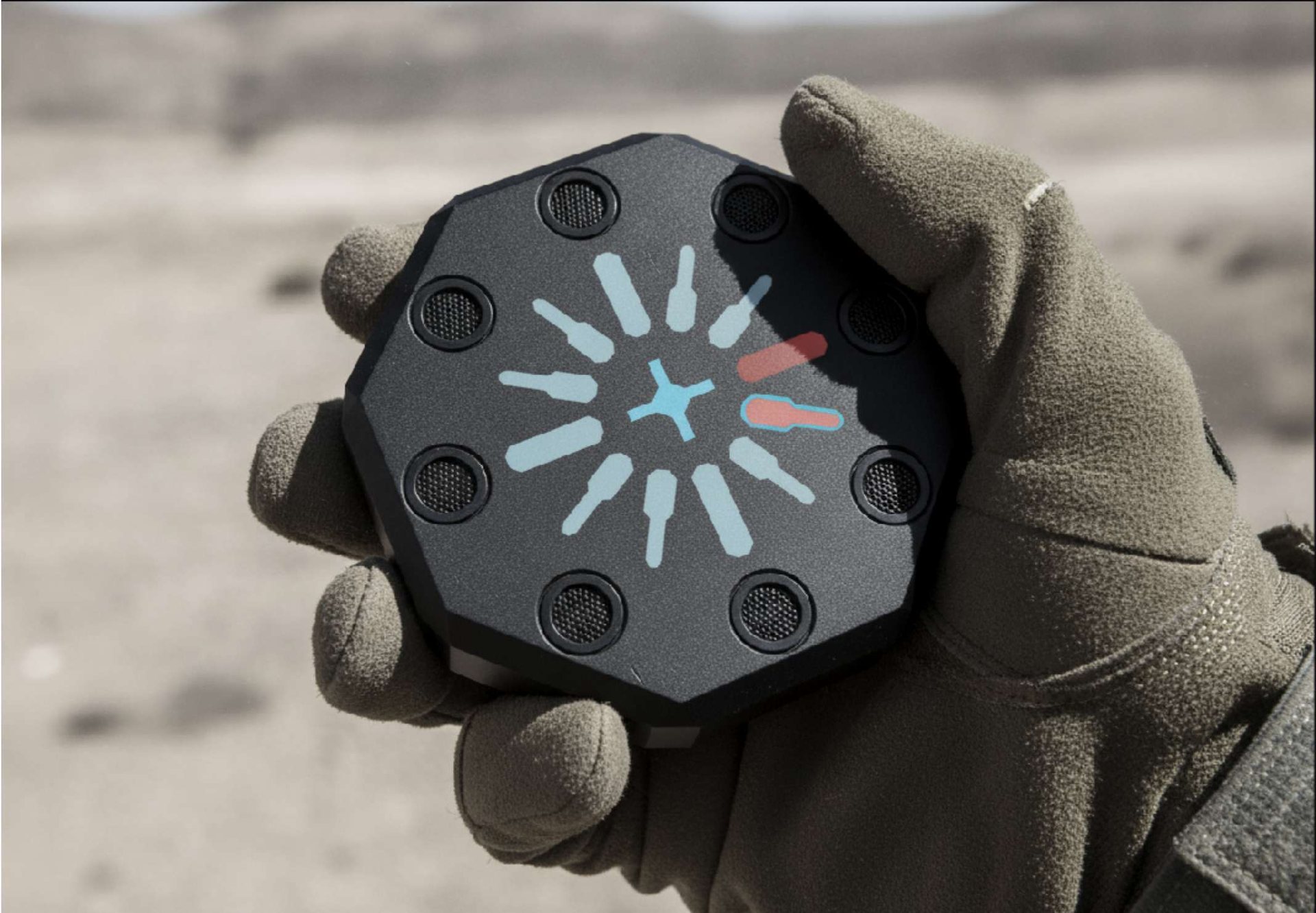
Hears UAS and small-arms fire on eight microphones, names the threat and points at it — without transmitting a detection signal of its own.
Tell us what you have to protect.
Give us the area of operations, the threat picture, the units taking part and the authority you hold. We will come back with a system architecture and a realistic timeline — not a catalogue.